


Did you know, 78% of organizations using AI in HR say it's significantly improved their compliance monitoring. That's according to Deloitte's 2024 Future of Work survey. Yet somehow, most companies are still conducting annual audits and putting out compliance fires after the damage is done.
The math here is pretty sobering though. The EEOC handled over 73,000 workplace discrimination charges last year alone, with settlements and judgments hitting $665 million. At the same time, AI adoption in HR has gone absolutely mainstream. We're talking 88% of companies worldwide now using AI for hiring and performance management. You can see the problem, right? We've got AI tools making more HR decisions than ever before, but our compliance methods are still living in the past. The reality is that AI-powered HR tools can introduce bias and discrimination in ways we're only beginning to understand. Meanwhile, traditional compliance approaches just don't have the speed or sophistication to catch violations before they turn into expensive legal nightmares.
The solution isn't to run away from AI. It's to fight fire with fire. Deploy AI agents that continuously watch your HR practices for compliance violations, catching problems in real-time instead of months later during your annual audit. Regulators and courts are increasingly expecting this kind of proper and systematic approach, and the companies that get ahead of this will have a significant advantage.
What is Automated Compliance Auditing for HR?
Automated compliance auditing is basically having a team of tireless digital auditors working around the clock, scanning your HR data and processes for anything that might get you in legal trouble. These AI systems are pretty sophisticated. They use natural language processing to comb through policy documents, job descriptions, and even employee communications looking for discriminatory language or problematic patterns.
Then there's the anomaly detection piece. These algorithms are constantly learning what "normal" looks like in your organization.
-
Unusual patterns in pay data? Flagged.
-
Weird trends in who gets terminated and when? The system notices.
-
Certain demographic groups getting screened out of your hiring pipeline at suspicious rates? You'll know about it.
The scope of what these systems can analyze is honestly pretty impressive.
-
Job ads get scanned for biased language. Your applicant tracking system logs are monitored for discriminatory patterns.
-
Interview scoring gets checked for consistency and fairness.
-
Compensation records are continuously analyzed for pay equity issues.
-
Even time and attendance data gets reviewed for scheduling bias.
Some of the more advanced systems are now analyzing employee communications and feedback to spot potential harassment or hostile work environment red flags. It's comprehensive in a way that would be impossible to achieve manually.
The NIST AI Risk Management Framework makes it clear that these systems need to be transparent and explainable. So, no black boxes allowed. And the EEOC has been pretty vocal about requiring regular bias audits for AI-powered HR tools as well. So automated compliance auditing is becoming legally necessary for all the organizations.
SHRM's research shows organizations using automated compliance monitoring catch violations more than 3 times faster than those still doing everything by hand.
How AI Agents Scan HR Practices
Okay, so how does this actually work? The process starts with data ingestion, which sounds fancy but really just means the AI agents automatically pull information from all your different HR systems. Your HRIS, applicant tracking system, performance management platform, communication tools are all feeding data into the analysis engine.
The natural language processing piece is where things get interesting. These systems don't just look for obvious red flags like explicitly discriminatory language. They're smart enough to catch subtle bias indicators that even veteran and experienced HR professionals might miss and can fall through the cracks. A job posting that says "digital native" might seem innocent, but the AI recognizes it as potential age discrimination. So, be very careful with how you put the job description out there.
The system establishes baselines for normal operations, then alerts you when something deviates in a way that could indicate bias or unfair treatment. It's calculating adverse impact ratios, identifying statistical disparities in compensation, flagging unusual termination patterns that might suggest retaliation.
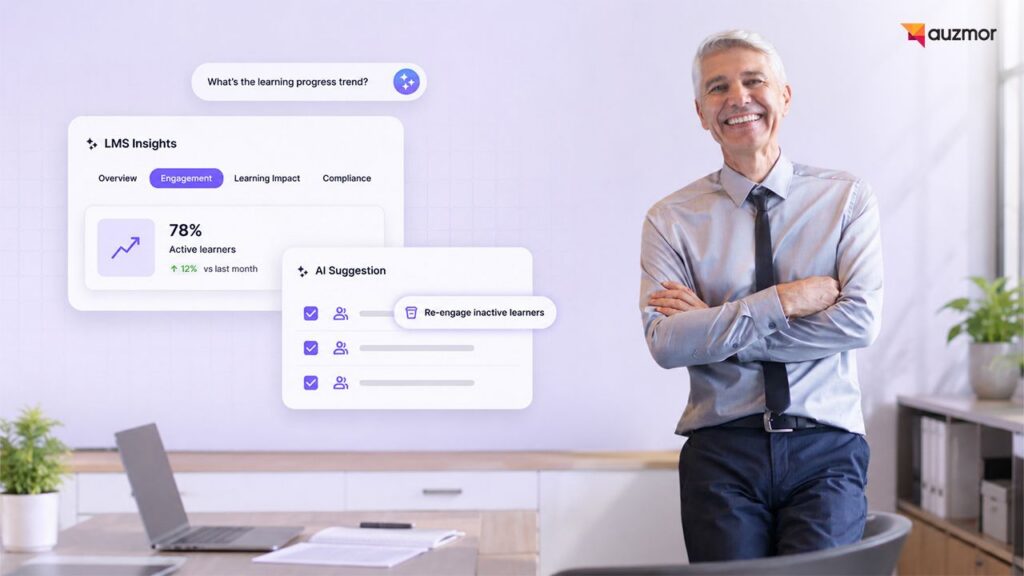
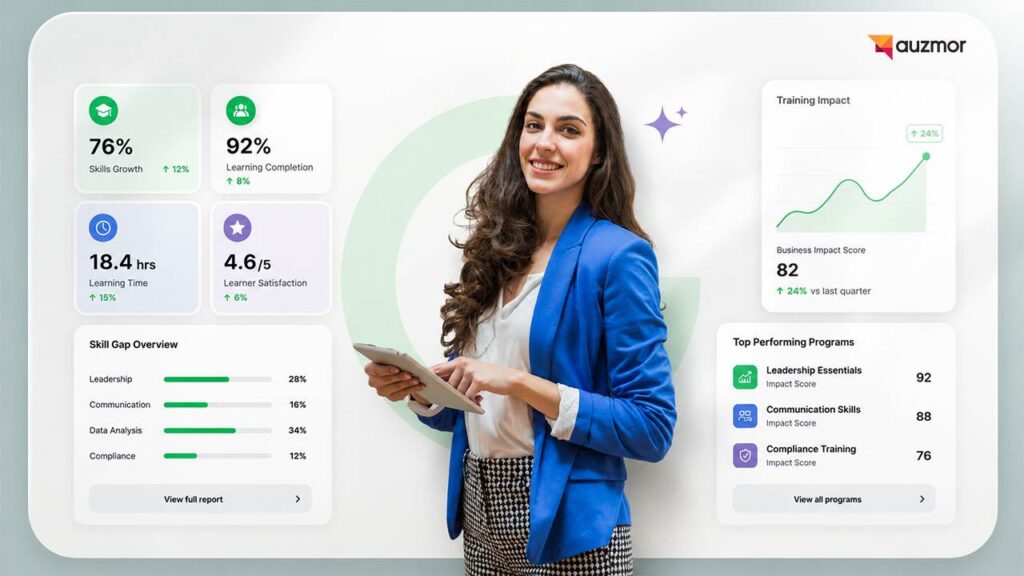
All of this gets translated into usable intelligence through compliance scorecards and dashboards. But here's what's crucial, these systems maintain detailed audit trails documenting every decision and recommendation. It's really essential for regulatory compliance and legal defensibility.
Let me give you a concrete example of how this plays out. Let's say your AI agent is continuously analyzing the recruiting data and notices something really odd. The candidates that are sourced from LinkedIn are climbing the ladder through your hiring process at higher rates than equally qualified candidates from diversity job boards. That can be fishy. The system flags this as potential adverse impact, generates a detailed report showing the statistical disparity, and suggests specific interventions like structured interview training or revised screening criteria.
This kind of continuous monitoring transforms compliance from something you check once a year into an ongoing strategic capability. Instead of finding out about problems during your annual audit, you're catching and addressing them in real-time.
Business Benefits & Measurable Outcomes:
Let's talk ROI because that's what matters to everyone in 2025.
The business case here is built on 3 most important pillars:
-
Risk mitigation,
-
Operational efficiency, and
-
Strategic advantage.
And the numbers back it up. PwC's 2024 AI in HR survey found that organizations using these systems detect compliance issues 65% faster than those still doing everything manually.
Think about the huge difference between continuous monitoring and annual audits. Traditional compliance review gives you snapshots of what happened, let's say, a month ago. The damage is already done by the time you identify a problem. Automated systems, however, give you real-time insights and predictive warnings. So, you're moving from reactive firefighting to proactive risk management.
The audit readiness benefit alone justifies the investment for many big and small organizations. When your compliance data is continuously collected and organized, you're not scrambling for weeks before regulatory reviews.
Companies report reducing audit preparation time by 40-60% when using automated systems. That frees up your HR team to focus on strategic initiatives instead of compliance paperwork. And let's be honest about the manual cost savings. These systems handle the routine monitoring tasks that currently eat up hours of your team's time every single week. Your people can focus on the complex cases that actually require human judgment and relationship management skills that will help the organization grow.
Smart executives measure success through specific KPIs.
You want to see time-to-detect dropping from weeks or months down to 24-48 hours. You should aim for 80% or more of compliance issues being automatically flagged rather than manually discovered. Make sure to track your average remediation time from detection to resolution and also monitor quarter-over-quarter reduction in repeat policy violations.
But here's the benefit that might matter most in the long run, improved defensibility in legal disputes. Courts and regulators started to expect organizations to demonstrate systematic, ongoing compliance monitoring. When you can produce automated audit trails showing consistent good faith efforts and reasonable care, you're in a much stronger position if things go sideways.
Legal, Ethical, and Operational Risks:
Now, let's talk about the annoying elephant in the room. Automated compliance auditing can create as many problems as it solves if you're not really careful. The biggest risk is algorithmic bias. AI systems trained on biased data can actually amplify it while giving you the false confidence that comes with "objective" algorithmic decisions.
The EEOC is clearer about this, you're still liable for discriminatory outcomes, regardless of what your AI vendor promises or how sophisticated their algorithms claim to be. Title VII's disparate impact provisions apply just as much to AI systems as they do to human decision-making. You really need to test these tools regularly for adverse effects on protected groups.
Privacy and biometric regulations add another layer of headache. These systems often need access to sensitive employee data. It can trigger state and federal privacy laws. The Illinois Biometric Information Privacy Act and similar legislation impose strict requirements on AI systems that process biometric data or could potentially be used for identification purposes.
Let's be honest, nobody likes to feel like they're being watched constantly. Your employees might think of this continuous monitoring as Big Brother tactics. This can tank engagement, increase turnover, and even spark union organizing efforts. Transparency is your best friend in such situations.
Executive Action Checklist:
-
Get that AI readiness assessment done within 30 days
-
Map all HR data flows and access controls (yes, it's boring but critical)
-
Set up a cross-functional AI governance committee
-
Review all vendor contracts for AI liability provisions
-
Put human oversight requirements in writing for all AI recommendations
-
Create incident response procedures for AI-detected bias
-
Schedule quarterly bias testing and system audits—and actually do them
Here's what I'd recommend: schedule an internal pilot assessment within the next 30 days. Start with your recruiting process. It's usually the highest-risk area and has clear metrics. Then, map your current data flows, identify potential bias points, and establish baseline measurements.
The investment you make in automated compliance auditing today is going to pay dividends in reduced legal exposure, improved operational efficiency, and better organizational reputation. Plus, you'll sleep better at night knowing you're catching problems before they become lawsuits.
The key is finding that sweet little spot between technological supremacy and human judgment, between efficiency and transparency, between innovation and ethical responsibility. Start focused, measure everything, and scale based on what actually works.